
-
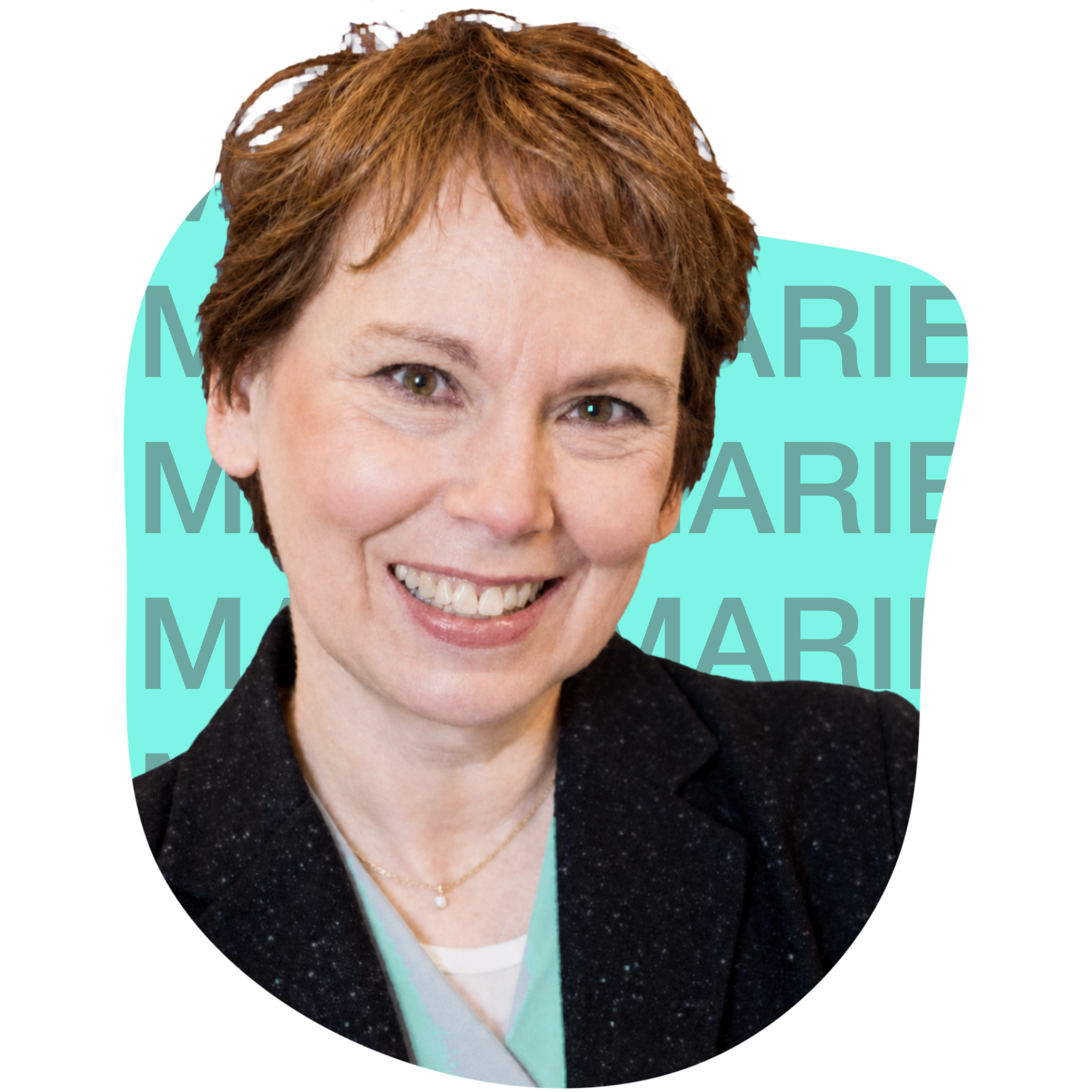
Dr. Hardwick is the David Bodian Professor and Vice Chair for Research at the Johns Hopkins Bloomberg School of Public Health.Her laboratory investigates how cells decide whether to live or die. By studying neurons, viruses, yeast, and pathogenic fungi, her work reveals how cell-death proteins influence infection, neurodegeneration, cancer, and cellular energy production.
CONTACT: hardwick@jhu.edu
-
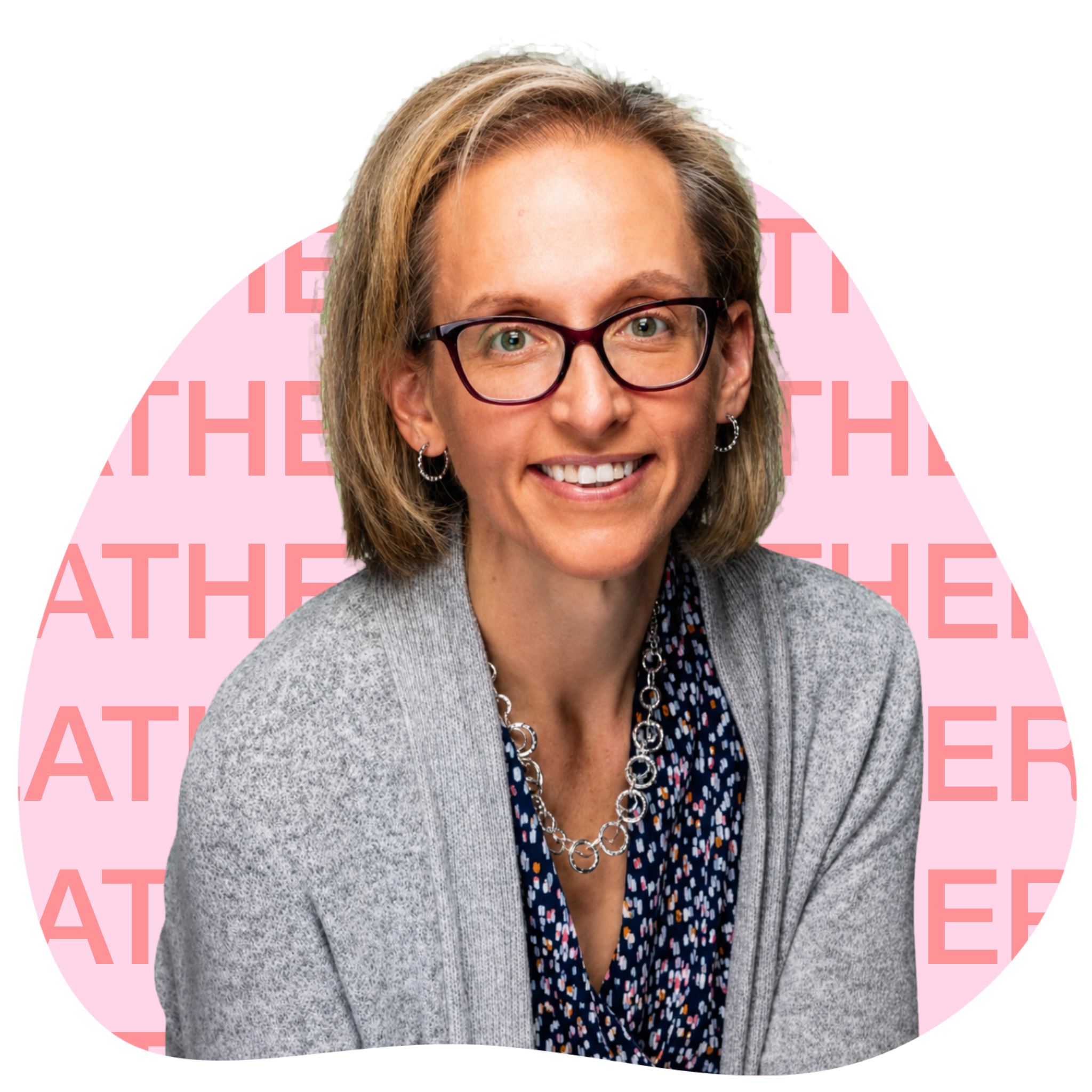
Heather Lamb is an Assistant Scientist in the Department of Molecular Microbiology and Immunology at the Johns Hopkins Bloomberg School of Public Health. Her research explores how cells balance survival and programmed death, with a particular focus on the BCL-2 family of proteins. Although these proteins are best known for controlling apoptosis, Heather investigates their lesser-known “day jobs” in healthy cells. Her work examines how BCL-2 proteins regulate mitochondrial shape and function, neuronal activity, and the curvature of cellular membranes. By revealing how proteins such as BCL-xL, Bax, BID, and BCL2L12 support normal cellular processes as well as cell death, her research provides new insight into mechanisms relevant to neurodegeneration and cancer. She earned her BS from the University of Wisconsin–Madison and her PhD from Washington University in St. Louis.
CONTACT: hlamb@jhu.edu

-
Yiding is a second year ScM student in the Hardwick Lab. His project is about viral BCL-2 homologs, such as the adenovirus E1B-19K protein and the EBV BHRF1 protein, and their functions beyond anti-apoptotic effects. While not in the lab, Yiding enjoys outdoor activities such as hiking, archery, and off-roading.
CONTACT: ymei5@jh.edu

-
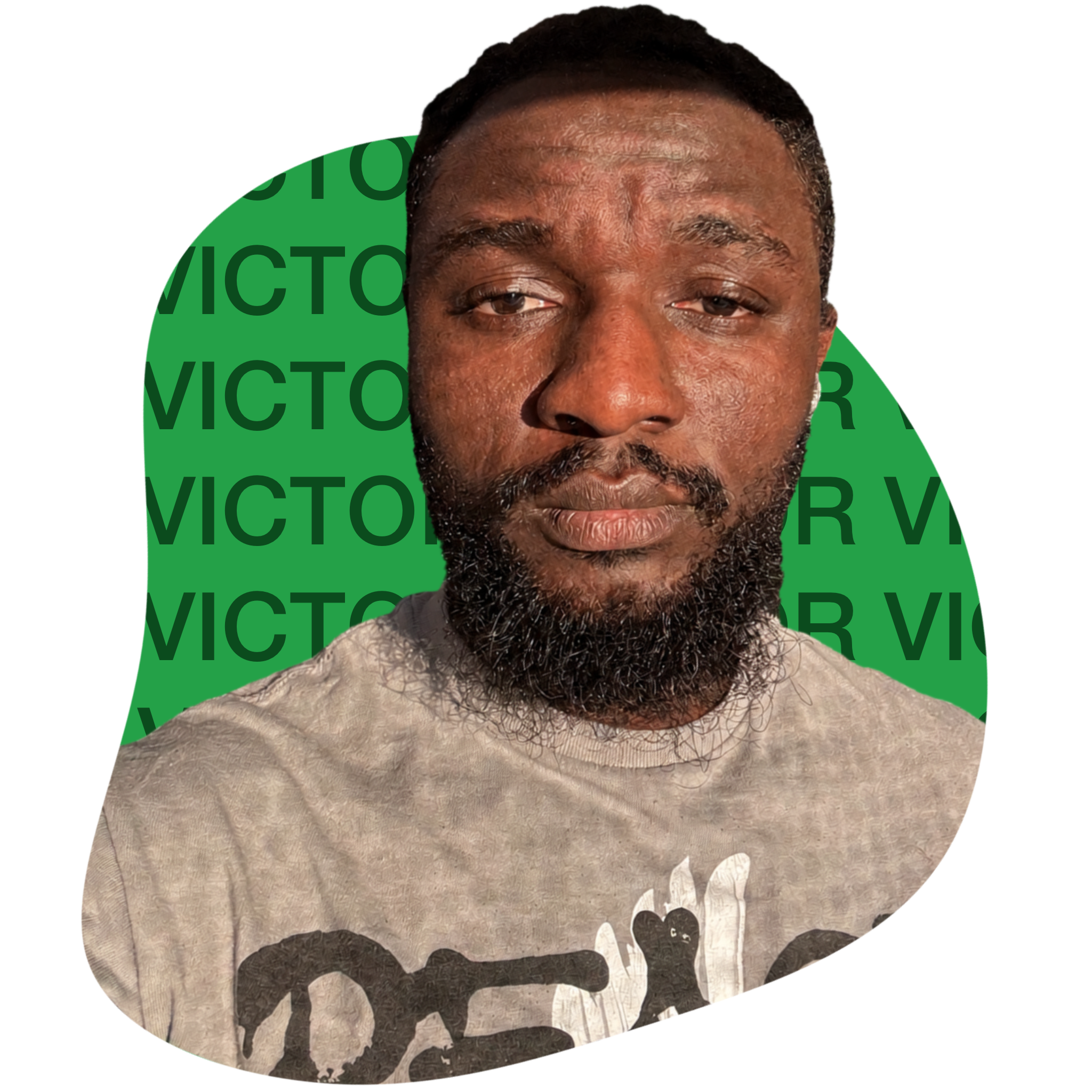
Victor Omoniyi is a PhD candidate in the Cellular and Molecular Medicine program at the Johns Hopkins University School of Medicine and a Vivien Thomas Scholar. His research focuses on understanding the molecular mechanisms underlying neurodevelopmental disorders and epilepsy, with a particular interest in KCTD7 and its role in progressive myoclonic epilepsy. His work combines molecular, cellular, and neuroimaging approaches to investigate how disruptions in KCTD7-related pathways affect brain development and function. He spends his free time outdoors, playing sports and exercising
CONTACT: vomoniy1@jhu.edu

-
Micaela earned her B.S. in Molecular and Cellular Biology from Johns Hopkins University. She is now pursuing an M.S. degree in Molecular and Cellular Biology from Johns Hopkins as part of a combined bachelor’s and master's program. Micaela joined the Hardwick lab in the summer of 2025, and studies BCL-xL transport into the mitochondria.
CONTACT: matkin22@jhu.edu

-
Neil is a senior at Johns Hopkins from Albuquerque, New Mexico. Neil has been an undergraduate assistant in the Hardwick Lab since November 2024. His primary project studies how the anti-death protein BCL-xL interacts with cellular energetic machinery like ATP synthase. The findings of this project will hopefully inform improved therapeutics that sensitize cancer cells to treatment-induced death. Neil has contributed to other projects in the lab including a project on myoclonic epilepsy that studies the biochemical interactions of human proteins KCTD7 and CTDSP1. Neil hopes to pursue a career as a physician-scientist, utilizing patient care experience to inform research that leads to new therapeutics in cancer.
CONTACT: nmahto1@jh.edu

-
Eason is an ScM student in Molecular Microbiology and Immunology at the Johns Hopkins Bloomberg School of Public Health and a member of the Hardwick Lab. He completed his undergraduate studies at China Pharmaceutical University. His research focuses on BALF1, an Epstein–Barr virus-encoded BCL-2 homolog, and how its molecular behavior influences host-cell fate. By exploring the underrecognized functions of BALF1 beyond apoptosis, Eason aims to uncover how viral proteins repurpose cellular regulatory networks. His work seeks to reveal broader principles of viral mimicry, cell-death control, and host–pathogen interactions.
CONTACT: yzhou307@jh.edu